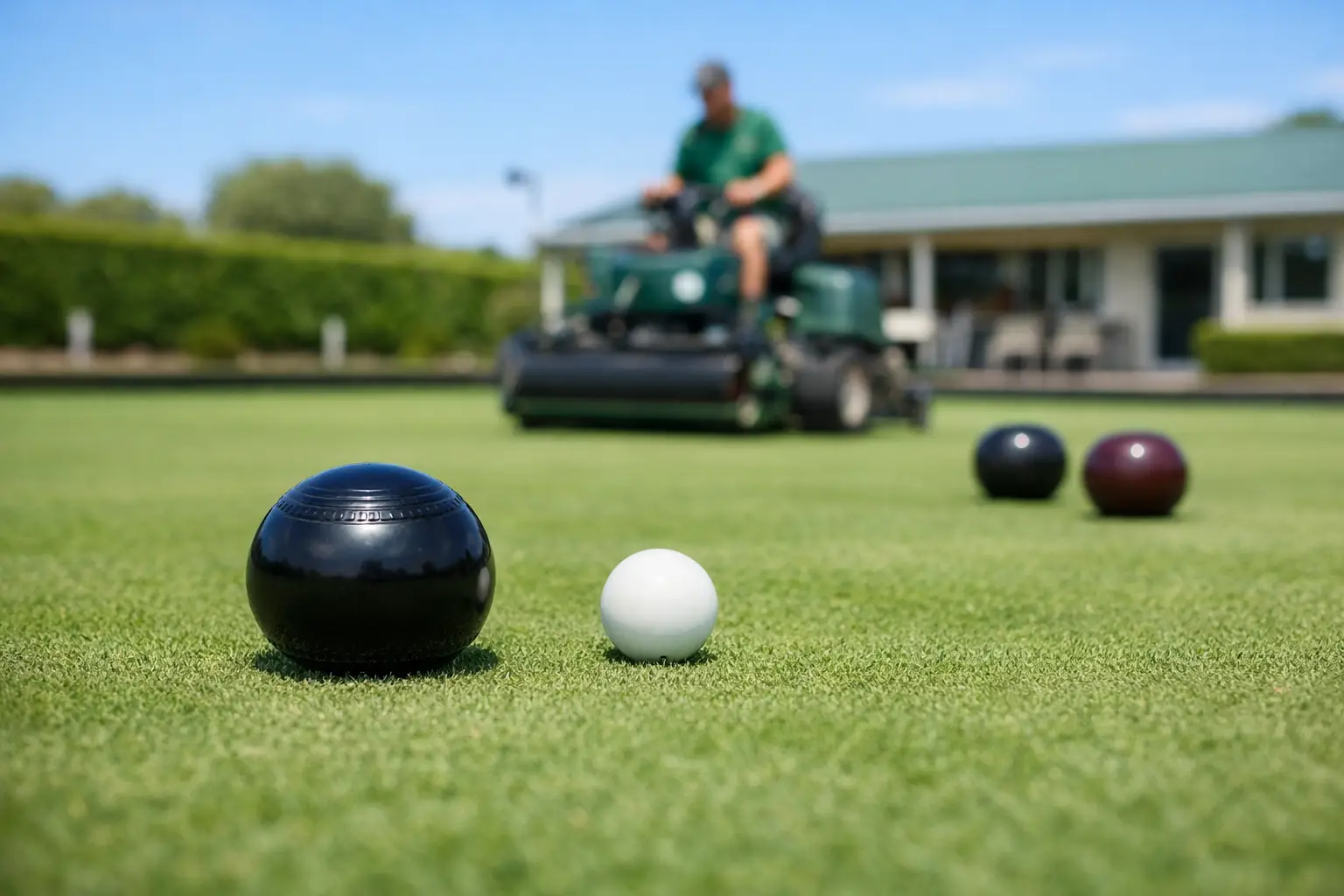
A bowling green can look presentable from the clubhouse and still disappoint the moment a bowl leaves the hand. Uneven pace, soft patches, bare edges and inconsistent draw affect member confidence quickly. The best practices for bowling greens are therefore not about chasing colour or speed on one weekend. They are about running a disciplined system that delivers a predictable playing surface, manages risk and gives committees a clear basis for investment decisions.
For bowls clubs, turf performance is a member-retention issue and an operational issue. A green that plays reliably supports competition, social play and revenue. A green that repeatedly fails creates avoidable pressure on the grounds team, the committee and the annual budget.
Set the Playing Standard Before Setting the Programme
The first management question is not which product to apply. It is: what standard must this green meet, and at what cost? The answer should account for the club's playing calendar, grass species, shade, drainage, water supply, staff capability and available budget.
A championship standard every day is rarely commercially sensible for a community club. Equally, accepting mediocre performance because resources are limited is not a strategy. Establish measurable standards for smoothness, firmness, pace, turf density, weed presence and presentation. Then agree how those measures will be checked and reported.
This gives staff direction and protects the committee from reactive spending. If pace drops, the discussion can move beyond opinions to likely causes: excess thatch, moisture variation, mowing quality, surface contamination or seasonal growth changes. A written annual maintenance plan should connect those standards to mowing, nutrition, irrigation, renovation and labour requirements.
Build Consistency From the Rootzone Up
Bowling greens are judged at the surface, but their reliability is determined below it. A green with a shallow, weak root system has little margin for heat, traffic, disease pressure or irrigation interruption. It may look acceptable after a corrective treatment, then deteriorate again within weeks.
Manage organic matter, not just grass cover
Thatch is one of the most common barriers to consistent bowls performance. A modest organic layer has a role in cushioning and moisture retention. Excessive thatch, however, holds water near the surface, reduces firmness, encourages disease and produces variable pace.
Core sampling should be routine, not something done only when the green feels spongy. Samples reveal the depth and character of the organic layer, root development, layering and moisture movement through the profile. This evidence should guide the intensity and timing of scarifying, grooming, coring, verti-cutting and topdressing.
There is a trade-off. Aggressive cultivation can improve the profile but may disrupt play and leave the surface exposed during poor growing conditions. Light, regular programmes generally cause less disruption than allowing thatch to build until major intervention is unavoidable. The right programme depends on species, climate and the club's events calendar, but deferral always carries a cost.
Topdress for trueness and profile control
Topdressing is not cosmetic. Applied with the correct sand and at suitable intervals, it dilutes organic matter, fills minor surface irregularities and supports a firmer, truer green. The material must be compatible with the existing rootzone. Introducing unsuitable sand can create layering, restrict water movement and compound long-term problems.
Clubs should record product source, particle characteristics, application rates and dates. This is basic quality control. Without records, it is difficult to explain why infiltration has changed or why a surface has become softer over several seasons.
Treat Irrigation as a Performance and Cost System
Water is often the largest controllable input on a bowling green, and one of the easiest to mismanage. Overwatering weakens roots, softens the surface and increases disease exposure. Underwatering without a planned approach causes stress, loss of density and recovery costs. The target is not a uniformly wet green. It is sufficient moisture in the rootzone to maintain healthy turf and playing consistency.
Irrigation scheduling should be based on weather, soil moisture, plant response and expected play, rather than fixed run times. Hand watering remains essential where dry spots, shade lines or wind exposure create local variation. It is a precision tool, not evidence that the automatic system has failed.
Regular irrigation audits are equally important. Check sprinkler coverage, precipitation rates, pressure, nozzle wear, controller programming and distribution uniformity. A poorly performing system wastes water and forces staff to compensate with longer cycles, often making wet areas wetter while dry areas remain stressed.
For boards and committees, irrigation data turns a technical issue into a capital-planning decision. If coverage or control is inadequate, quantify the water loss, labour burden, turf risk and likely replacement pathway. A lower water bill is valuable, but the larger benefit is a green that plays more consistently through heat and water restrictions.
Mow for Plant Health as Well as Pace
Mowing height and frequency have a direct effect on speed, density and turf stress. Lower mowing can increase pace, but continually chasing faster greens at the expense of leaf area and root strength is poor risk management. The green may perform briefly, then lose density or become vulnerable during hot, humid or low-light periods.
Set seasonal mowing heights that reflect the grass type and growth conditions. Adjust gradually, maintain sharp cutting units and verify actual height of cut rather than relying on the mower setting. Poorly adjusted or blunt reels tear leaf tissue, reduce presentation and create entry points for disease.
Rolling, grooming and brushing can refine surface performance without relying solely on lower cutting heights. These practices should be used as part of a planned tournament and presentation programme, not as a substitute for sound agronomy. Every extra pass also has a cost in labour, machinery wear and potential compaction, so the benefit needs to be clear.
Nutrition and Plant Protection Need Evidence
Fertiliser should support a dense, resilient plant, not create soft growth that requires constant correction. Small, targeted applications are generally more controllable than large, infrequent inputs. Base nutrient decisions on soil testing, tissue testing where appropriate, growth response and the club's seasonal objectives.
Avoid blanket chemical programmes driven by habit or supplier pressure. Disease and pest control should begin with accurate diagnosis, weather awareness, cultural conditions and product rotation. Chemical use carries cost, compliance obligations and resistance risk. Every application should have a documented reason, rate, weather record, operator record and outcome assessment.
This is where independent oversight is valuable. A treatment programme should be judged by turf need and risk exposure, not by product sales targets. Clear records also provide confidence when a committee asks why a particular input was required and what result it delivered.
Protect the Green From Traffic, Wear and Poor Timing
The green does not experience wear evenly. End banks, ditch surrounds, entry points, rink changes and high-use lines deteriorate first. Rotate rinks, manage player access and inspect edges frequently before small damage becomes a renovation project.
Timing matters. Schedule disruptive work around key competitions, but do not allow the events calendar to prevent necessary maintenance year after year. The practical approach is to identify recovery windows early, communicate the programme to members and explain the expected short-term impact alongside the performance benefit.
A club that tells members a renovation is planned, measured and necessary will usually receive more support than one that closes a green suddenly after preventable decline.
Make Accountability Part of Greenkeeping
Strong greens management needs more than capable operators. It needs a reporting rhythm that links daily work to long-term outcomes. The grounds team should have clear weekly priorities, seasonal targets and authority to raise emerging risks. Management and the board should receive concise reporting on condition, water use, chemical compliance, labour pressures, machinery requirements and upcoming decisions.
Useful reporting does not bury a committee in technical detail. It shows the current condition, the trend, the risks, the work completed and the decision required. Photographs, moisture readings, irrigation audit findings and maintenance records create an evidence base that survives staff changes and committee turnover.
Where a club lacks a full-time superintendent, external strategic oversight can provide that structure. Gen1 Sportsturf works alongside existing teams to set standards, audit systems and maintain accountability without adding a full executive salary to the wage bill.
The Standard Is Set Between Major Events
The best bowling greens are not produced by a last-minute burst of mowing before pennant or a carnival. They are built through ordinary weeks of accurate mowing, measured water, timely cultivation, disciplined records and decisions made before small issues become expensive ones.
For committees, the practical test is straightforward: can the club explain what condition it expects, how it measures that condition, who is accountable and what investment is required to maintain it? When those answers are clear, the green becomes far easier to manage and far more reliable to play.