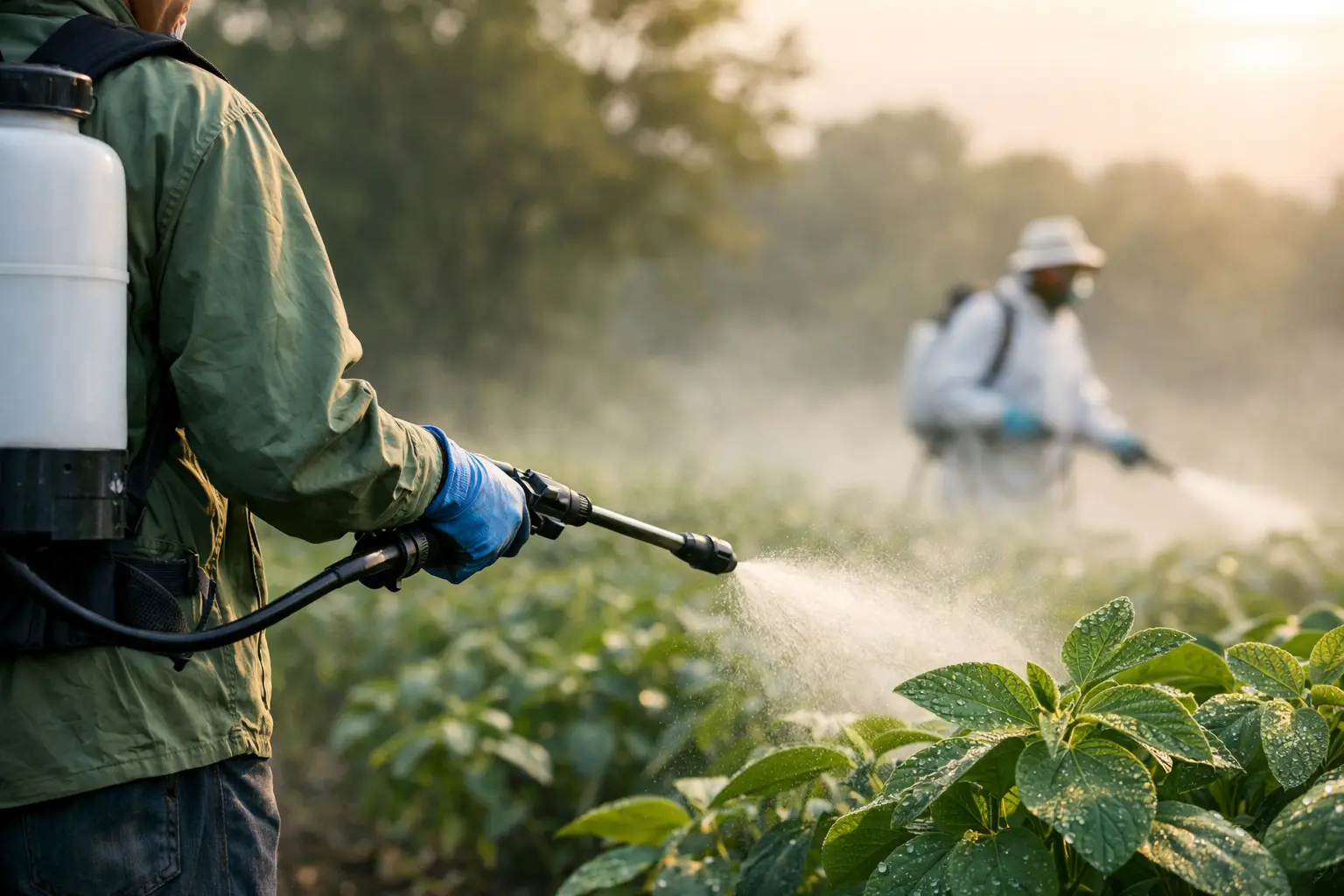
A spray decision made under pressure can create a problem that lasts far longer than the weed, disease or insect it was meant to control. To reduce pesticide application risk, golf clubs, councils, bowling clubs and sports facilities need more than a chemical shed, a spray unit and an experienced operator. They need a controlled system that makes the right decision easier and the wrong decision difficult.
For boards and managers, this is not simply a greenkeeping issue. Poor pesticide practice can expose the facility to worker injury, off-target damage, member complaints, environmental harm, regulatory action and avoidable replacement costs. For the ground team, clear systems remove uncertainty and provide the authority to stop a spray when conditions are not right.
Reduce Pesticide Application Risk Before the Tank Is Filled
The highest-value control occurs before a product is selected. Every application should start with a defined problem: what is present, where is it present, how severe is it, and what damage will occur if no treatment is applied?
Too often, applications are triggered by routine, calendar timing or a general concern that turf is “starting to look ordinary”. That approach increases chemical use without guaranteeing a better result. A sound programme uses inspection records, pest thresholds, disease history, weather patterns, turf species, traffic pressure and irrigation performance to establish whether treatment is justified.
This is where senior oversight matters. Dollar spot symptoms, drought stress, nutrient deficiency, poor drainage and irrigation distribution issues can look similar at first glance. Treating the wrong cause wastes money and adds risk without improving the surface. A diagnostic process should identify the underlying issue before the sprayer leaves the shed.
Chemical control is sometimes the correct operational response. It is not automatically the first response. Cultural controls such as improving air movement, correcting moisture management, adjusting nutrition, changing mowing practice or relieving compaction may reduce the pressure that caused the issue. These measures take more planning, but they can reduce repeat applications and protect the facility’s long-term chemical options.
Build a Spray Approval Process That Stands Up to Scrutiny
A defensible pesticide programme has clear decision rights. Staff should know who can diagnose a problem, who can approve an application, who can operate equipment and who must be notified before work begins. In an under-resourced team, these roles are often blurred. That is when verbal instructions, incomplete records and last-minute decisions become normal practice.
Each proposed application should be supported by a simple job record that captures the target pest or disease, treatment area, selected product, proposed rate, application volume, weather conditions, operator and required notifications. The product label is a legal instruction, not a general guide. Directions for use, personal protective equipment, withholding periods, re-entry requirements, buffer zones, mixing instructions and disposal requirements must be followed alongside applicable state and territory rules.
For boards, the practical test is straightforward: if a complaint arrived tomorrow, could the club show why the application occurred, who approved it, what was applied, where it went and what controls were in place? If the answer is no, the process needs attention.
A formal approval process does not need to be bureaucratic. It needs to be consistent. A one-page spray plan, completed properly and reviewed by the appropriate manager or consultant, is more useful than a thick folder of procedures no-one follows.
Calibrate Equipment and Control the Application
Many pesticide failures are application failures. The correct product at the wrong rate, delivered unevenly or carried by wind, can cause turf damage, poor control, resistance pressure and off-target exposure.
Spray equipment must be calibrated on a planned schedule and whenever nozzles, pressure settings, boom configuration or operating speeds change. Operators should verify output across nozzles, check for worn or blocked components, confirm boom height and establish a realistic travel speed. Calibration should reflect how the unit is actually used on site, not an idealised test in the workshop.
Water volume also matters. A fungicide applied to a closely mown golf green, a broadleaf herbicide applied to a sports field and a perimeter treatment near drainage infrastructure may each require different coverage, nozzle selection and operating conditions. There is no single setting that suits every job.
Mixing is another point of avoidable exposure. The designated mixing area should be secure, well organised and managed to prevent spills entering stormwater, soil or wash-down areas. Staff need ready access to clean water, spill equipment, product labels, safety data sheets and the personal protective equipment specified for the task. Containers must be managed according to label instructions and site procedures, never left as an afterthought once the application is complete.
Weather Is a Stop-Work Decision, Not a Footnote
Wind, temperature, humidity and rainfall determine whether an application remains where it is intended to go. The issue is not whether the day feels suitable. It is whether conditions allow the product to be applied in accordance with its label and the facility’s risk controls.
Weather checks should occur immediately before spraying and continue during the job. Conditions can change rapidly, particularly on exposed sports grounds and larger golf sites. Localised wind behaviour around trees, buildings, dams, fairways and grandstands can be very different from a regional forecast.
A practical stop-work rule removes debate from the moment. Operations should pause when:
- wind direction or speed creates a credible drift risk;
- rain is likely to compromise efficacy or create runoff risk;
- temperature and humidity increase the risk of evaporation or turf stress; or
- people, pets, contractors or neighbouring activities cannot be effectively separated from the treatment area.
This may require a job to be delayed, split into smaller sections or completed outside normal operating hours. That is an operational trade-off, but it is cheaper than respraying damaged turf, managing a public complaint or dealing with contamination beyond the target area.
Protect People, Water and the Facility’s Reputation
Sports facilities are active public environments. Members walk fairways, bowlers arrive early, parents use footpaths beside ovals and contractors move through service areas. A sound pesticide system recognises that the application itself is only part of the risk.
Notification arrangements must be proportionate to the facility and the product used. This can include scheduling works around play, using temporary signage, securing access points and communicating re-entry requirements to staff, members and hirers. The aim is not to alarm people. It is to ensure they have clear, accurate information and are not inadvertently exposed.
Water protection deserves particular discipline. Drains, dams, creeks, irrigation channels and wash-down areas should be identified in the spray plan before work starts. Buffer areas, nozzle choice, weather conditions and travel direction all need to reflect the consequences of an off-target application. Facilities that rely on recycled water or have sensitive receiving environments need even tighter controls.
Storage is equally important. Products should be held in a secure, fit-for-purpose location with current inventory records and separation arrangements that reflect label and safety requirements. Expired, unlabelled or redundant chemicals are not harmless stock. They are a governance problem waiting to surface during an inspection, incident or staff changeover.
Train the Team and Record What Matters
Competency is not established by handing a new staff member a spray unit and asking them to follow someone else’s routine. Operators require relevant training, practical supervision and periodic review of their work. This includes reading labels, calculating rates, mixing safely, calibrating equipment, recognising weather risk, using protective equipment and responding to spills or exposure incidents.
The strongest facilities also use records as management tools, not just compliance paperwork. Application records can show whether a treatment worked, identify repeat problem areas, track chemical spend, support resistance management and reveal whether irrigation or agronomy issues are driving unnecessary pesticide use.
Review those records monthly during high-pressure periods and seasonally at a governance level. Look for repeat applications, rising product costs, failed control, missed calibrations, near misses and areas where staff are relying on habit rather than a documented plan. These patterns give management a basis for targeted improvement rather than broad assumptions.
Independent oversight can add value where the internal team lacks a full-time superintendent or chemical compliance leader. Gen1 Sportsturf works with existing ground staff to establish practical standards, review programmes and give boards reporting they can act on - without turning the process into a supplier-led product conversation.
The standard to aim for is simple: every application should be necessary, correctly authorised, accurately applied, fully recorded and safe for people, turf and the surrounding environment. When that discipline becomes routine, pesticide management stops being a recurring risk and becomes a controlled part of delivering reliable playing surfaces.